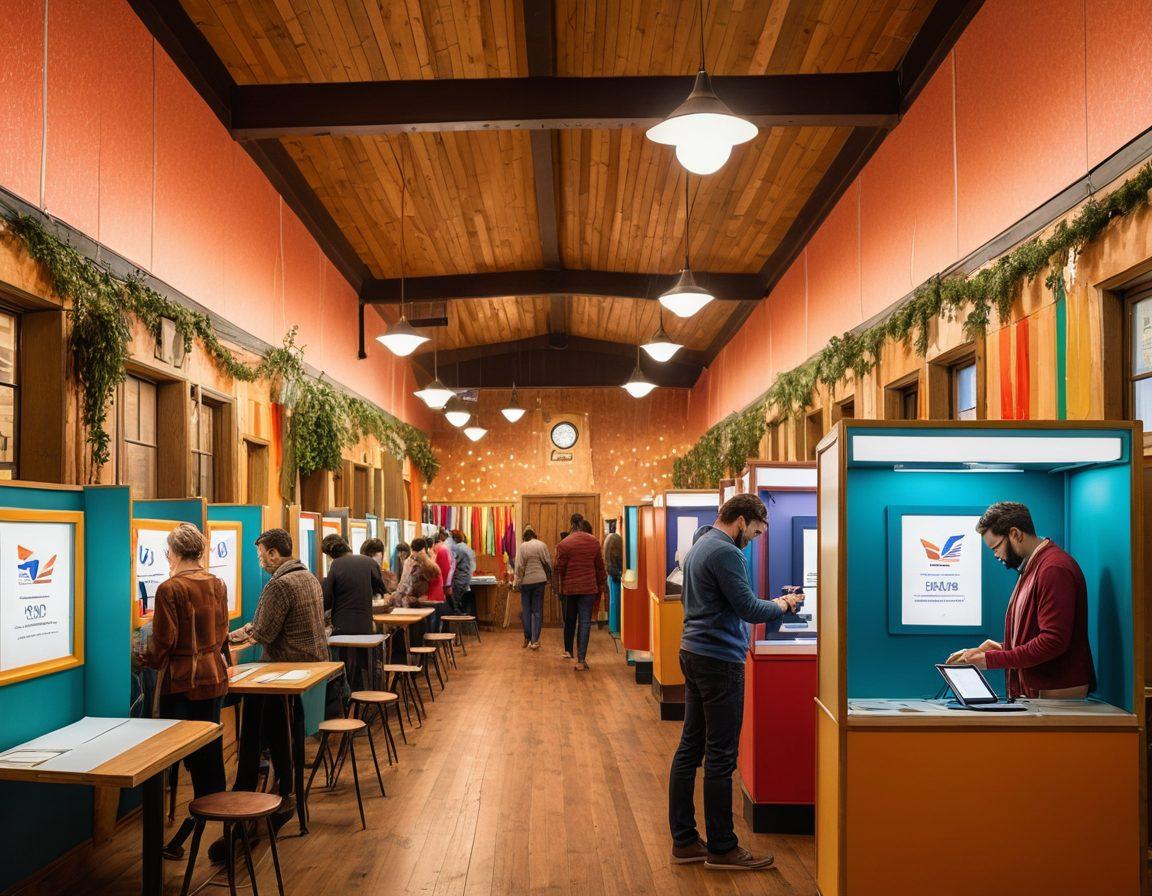
Revolutionizing Democracy: The Future of Digital Voting and Remote Elections
Imagine a world where we can cast our votes from the comfort of our own homes, without the hassle of long lines or last-minute panics. This isn’t just a distant dream; it's a revolution in the making. Digital voting and remote elections are breaking down barriers to participation, ensuring that every voice can be heard. With innovations like electronic ballots and automated voting systems, we are unlocking a future where accessibility in voting is at the forefront. Are we ready to embrace the future of democracy?
Every election cycle brings with it a familiar set of challenges—voter apathy, disenfranchisement, and the constant threat of election security breaches. But what if we could alleviate these issues with one powerful tool: online ballots? By transitioning to secure voting systems that allow individuals to cast their votes online, we could see a substantial increase in voter participation. When people are given the opportunity to vote remotely, especially those with disabilities or those living abroad, it’s an undeniable game changer that can empower citizens to engage in the democratic process.
Against the backdrop of modern technology, the concept of virtual elections begins to take shape. Online voting can also help overcome geographical limitations that often disenfranchise individuals in rural areas or less accessible regions. Picture a single mother in a small town who can now vote without a chaotic trip to the polling station. Enabling ballot tracking through advanced polling technology gives voters peace of mind: they can see exactly where their vote is in the process. How does this potential for direct engagement reshape our understanding of civic responsibility?
The beauty of digital voting lies not only in accessibility but also in its promise of transparency. Imagine a system where results tabulation is completed in real time, and citizens can witness the integrity of the electoral process firsthand. This is where electoral innovation can build trust in outcomes. When we leverage secure voting methods that allow voters to verify their cast ballots, the opaque nature of traditional systems is brought into the light. Isn’t that what democracy needs—a little more light and a lot more participation?
As we stand on the precipice of this digital transformation, it’s crucial to remember that democracy thrives on trust and engagement. Whether it’s through remote voting or secure electronic ballots, every voter must feel that their voice is valued. The vision of enhanced voter accessibility is not just an option; it is a necessity for a thriving democratic future. So ask yourself: what role will you play in the evolution of our voting systems? Together, we can harness the power of technology to enrich our democratic processes and ensure that every citizen has their say.
How Electronic Voting is Shaping the Future of Elections: Security and Innovation
In an age where technology is reshaping every facet of our lives, one question looms large: How will this revolution impact the future of democracy? Enter digital voting, a beacon of hope for those advocating for innovation in the electoral process. As we explore the realm of electronic voting, we unveil how this transformation is enhancing voter participation, ensuring secure voting, and fostering civic engagement. Drawing from intricate polling technology and success stories worldwide, we can already glimpse the future of elections, where every vote matters—and where casting votes online becomes the norm rather than the exception.
Imagine a world where you can exercise your democratic rights from the comfort of your home. With remote voting on the rise, this scenario may soon be our reality. The transition to the electronic ballot can seem daunting, yet it is opening doors for increased accessibility in voting, allowing everyone—from busy professionals to those with disabilities—to participate in the democratic process. With questions of security lingering, innovations in election management help mitigate those concerns, paving the way for a new era in elections. As we've seen in various pilot programs, remote voting technology can streamline the voting experience while maintaining the integrity of results tabulation.
"Voting is not just our right; it is a privilege that we must embrace with all its potential." This quote encapsulates the essence of why electoral innovation is so crucial in this digital age. Conventional voting methods often leave many disenfranchised or deterred by long lines and cumbersome processes. Yet, with automated voting systems and online ballots, these barriers begin to crumble. By focusing on making elections more accessible and manageable, we can empower more citizens to take a stand and participate actively in shaping their government.
Imagine the excitement of tracking your ballot in real-time, ensuring that your voice is heard loud and clear. With ballot tracking systems, voters gain transparency like never before. Concerned about your online ballot? Fear of election security may overshadow excitement, but innovative polling technology is designed to keep your votes secure. Encryption, two-factor authentication, and rigorous testing help fortify our voting systems, reassuring us that our democratic process is safe even in the digital landscape. As we integrate these methods, we can attract a broader demographic and promote a culture of civic engagement.
In conclusion, with the dynamic landscape of digital voting, the future is bright. Our electoral processes can evolve beyond outdated traditions and embrace the possibilities that lie ahead. By fostering secure voting measures and ensuring innovative election management, we can inspire voter participation, paving the way for a more inclusive and engaged electorate. The road might be bumpy, and questions will undoubtedly arise, but as we navigate this uncharted territory, the essence of democracy grows stronger. It's time to embrace the change and invest in the future of elections, one electronic ballot at a time.
From Polling Places to Digital Platforms: The Evolution of Vote Casting and Civic Engagement
In recent years, the landscape of voting has undergone monumental shifts, transforming from traditional polling places to a digital frontier that promises increased accessibility in voting. Imagine a scenario where millions of citizens can cast their votes online, ensuring that every voice is not only heard but also counted securely. The evolution from physical ballot boxes to electronic ballots is a testament to the innovative spirit of our democratic process. As we delve into this revolutionary journey, one question looms large: Are we ready to embrace digital voting and all its potential advantages?
A few decades ago, the thought of voting without stepping into a polling station was almost inconceivable. Yet, today, with the rise of automated voting systems and advanced polling technology, remote voting is becoming a reality. During the pandemic, the push for virtual elections showcased just how vital it is to adapt our systems to the needs of the people. No longer constrained by geography or personal circumstances, voters can now participate in elections with unprecedented ease. 'Digital voting isn’t just about convenience; it's about democracy in action,' says a prominent election strategist. This paradigm shift invites us to reflect on how prepared we are for such sweeping changes in civic engagement.
From captivating narratives of citizens camping outside polling places for days to unprecedented voter participation during remote elections, the journey of vote casting has been nothing short of extraordinary. The advent of electronic ballots has not only simplified the election management process but also improved the efficiency of the results tabulation. However, the pressing question remains: How do we ensure that this new voting system is secure and trustworthy? Election security concerns, particularly regarding hacking and data breaches, are at the forefront of discussions surrounding digital voting. As we navigate these challenges, empowering voters through transparency and robust ballot tracking mechanisms is essential to build trust in our voting systems.
Imagine being able to cast your vote while lounging on your couch, or while commuting to work. Sounds enticing, right? The allure of online ballot systems lies in their potential for engaging a broader audience. Every election cycle seems to bring renewed energy and enthusiasm in voter participation, and with the right implementation of digital voting, we could see a dramatic increase in civic engagement. It’s crucial to consider how we can foster an environment where people feel comfortable casting votes online, without sacrificing the integrity of the electoral process. As we explore this intriguing evolution, let’s ask ourselves: What other positive changes could digital platforms inspire within our political landscape?
Electoral innovation is not just about introducing new technology but also about reshaping perceptions of what it means to be an engaged citizen. Beyond ease of access, the true beauty of digital voting lies in its potential to dismantle barriers that have historically hindered participation. Whether it's elderly individuals facing mobility issues or citizens in remote areas unable to reach polling stations, secure voting processes can empower everyone. Will we fully seize this opportunity to redefine how we engage with democracy? As we look to the future, let’s pave the way for accessible, equitable, and exciting options for participation in our democratic processes, inspiring generations to come.